

Get to the Good Stuff

Last time I talked about why I created Bleeding Pulp. I also touched on the ongoing class war, how it is handled in modern storytelling, and the growing divide between critics, audiences, and the content economy built around both.
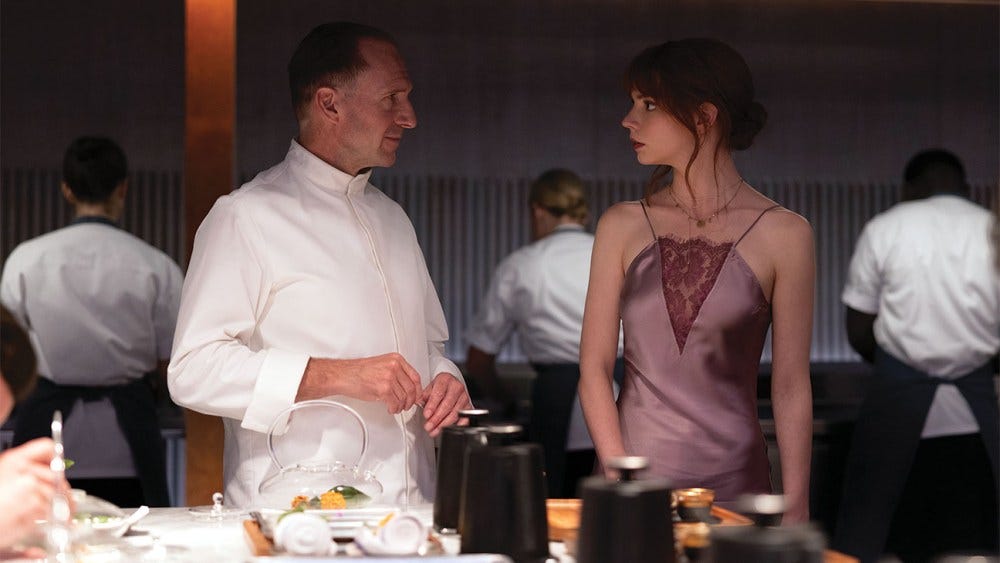
The Menu is a brilliantly executed movie with a message seamlessly woven in it’s DNA rather than being tacked on. The class critique, the satire of wealth, the parasitic relationship between creators and consumers, the emptiness of luxury culture—all of that is the movie. You couldn’t remove the message without destroying the story itself.
I recognize the ambition of Don’t Look Up, and I respect the core message. My problem was never what it was trying to say. My problem was how it chose to say it. Watching it felt less like being invited to engage with an idea and more like having someone grab you by the back of the head and force your face into it.
I’ve realized that one of the reasons I struggle with so much prestige entertainment is that I have very little interest in spending hours sympathizing with the emotional lives of affluent people and their rebellious teenagers.
I understand why these stories are popular. Audiences have always been fascinated by how the other half lives. Dallas. Dynasty. Empire. Succession. And the most appalling of them all: Kardashians. The appeal is obvious: wealth, power, beauty, access, status. You’re getting a look behind the curtain.
But for me, there’s always been something unsettling about the transaction.
The media creates these stories about the emotional suffering of the wealthy, and the audience stands outside the restaurant in winter with their faces pressed against the glass like Oliver Twist, watching these people feast while being asked to feel sorry for them because their daughter is acting out, their marriage is falling apart, or they’re having an existential crisis in one of their four houses.
I know that’s a moral judgment.
I don’t believe wealth insulates people from suffering. Of course it doesn’t. But I have very little interest in entertainment whose primary function seems to be convincing me that extraordinary privilege and ordinary unhappiness somehow make someone profoundly relatable.
That’s one of the reasons The Menu worked so well for me. You know what else worked? Ready Or Not 2.
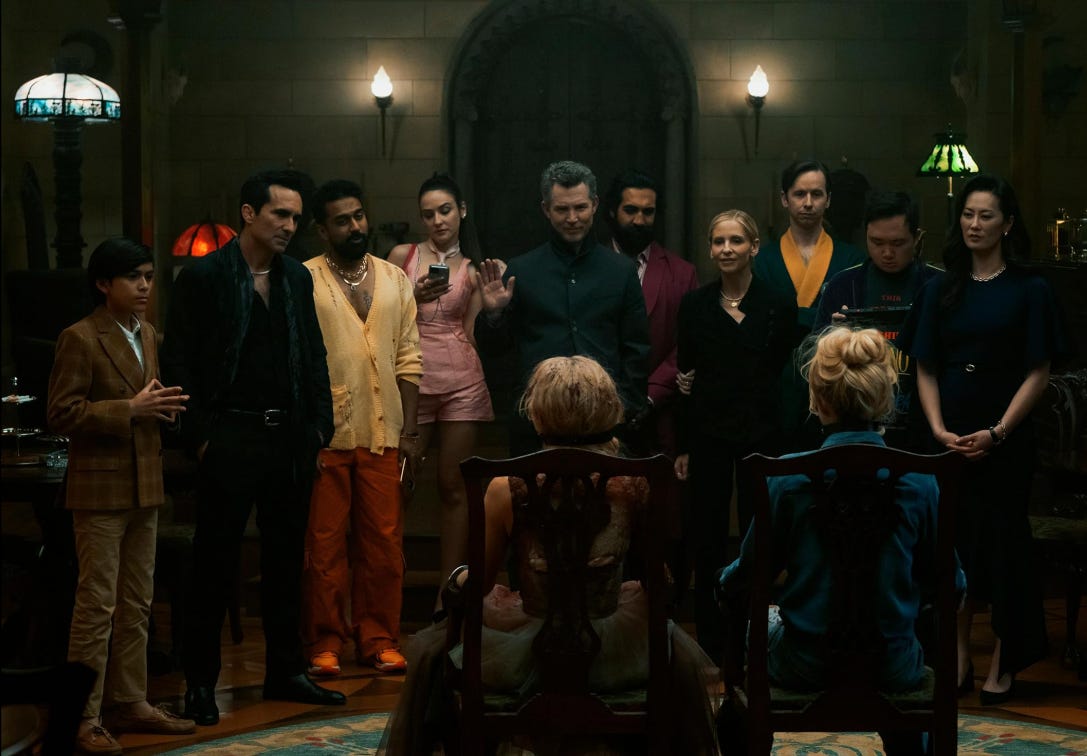
The movie knows exactly what it is, exactly what the audience came for, inventive ways of killing a bunch of wealthy weirdos. It commits to that promise with absolute conviction. It doesn’t apologize for being bigger, bloodier, meaner, stranger, or more ridiculous than the original. It simply asks:
Are you ready to have a good time? Fuck yeah!
And then it delivers. I liked Ready or Not a lot, but 2 stomps on the gas and rockets ahead with unapologetic pulpy madness. As does the film Send Help.
Ironically, that’s what so much modern entertainment seems terrified of doing. There’s a fear of committing too hard, of being too pulpy, too weird, too emotional, too violent, too funny, too sincere, too much.
But audiences don’t usually punish conviction.
They punish hesitation, playing it safe, or promising one thing and giving you another. Example? Good Luck, Have Fun, Don’t Die.
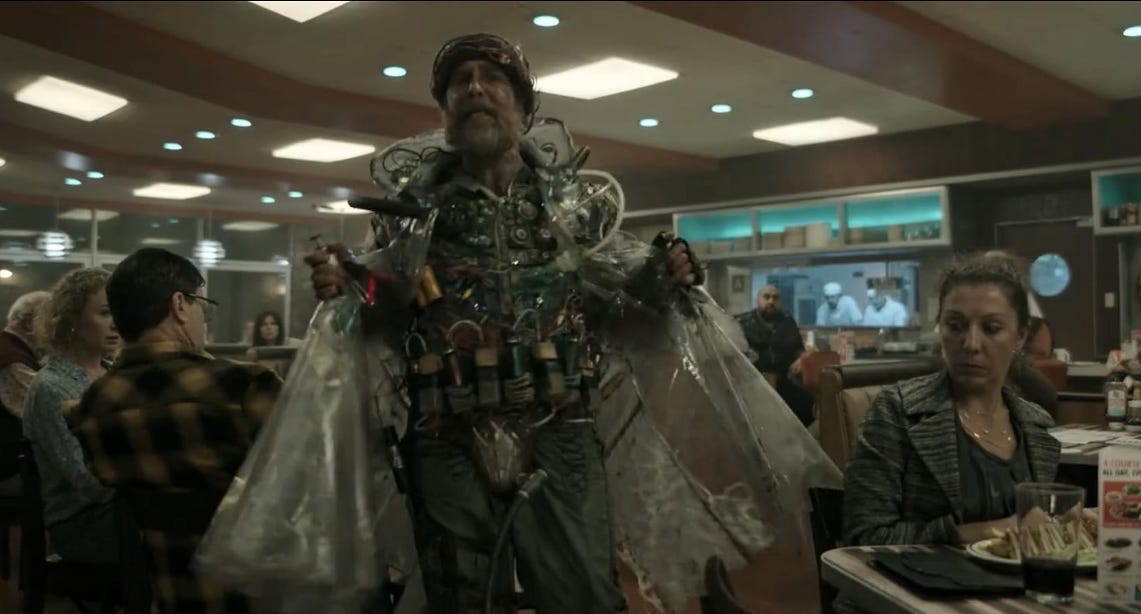
The opening scene is fantastic. Sam Rockwell bursts into a diner claiming he’s from the future and humanity is doomed by AI. It’s funny, strange, chaotic, and immediately compelling.
Then the movie spends the next two hours repeatedly stopping to explain what it’s really about. Screen addiction. AI. Social isolation. Grief. Technology replacing human connection. Education. Parenting. Virtual reality. The collapse of civilization. Blah…blah..blah…don’t look up I guess.
The thing is, I agreed with most of what the movie was trying to say.
That wasn’t the problem.
The problem was that the movie stopped trusting its own premise.
A frantic man from the future bursting into a diner to recruit random strangers to save humanity from an AI apocalypse is already a fantastic movie.
You don’t have to keep grabbing me by the shirt and explaining why I should care.
I already care. Get to the good stuff!
Justin